Everest RegionStrenuous
Everest Three Passes Trek with Island Peak Climbing - Experience the Everest Region Beyond the Ordinary
6,189 mLevel 5
PriceOn request
View trip
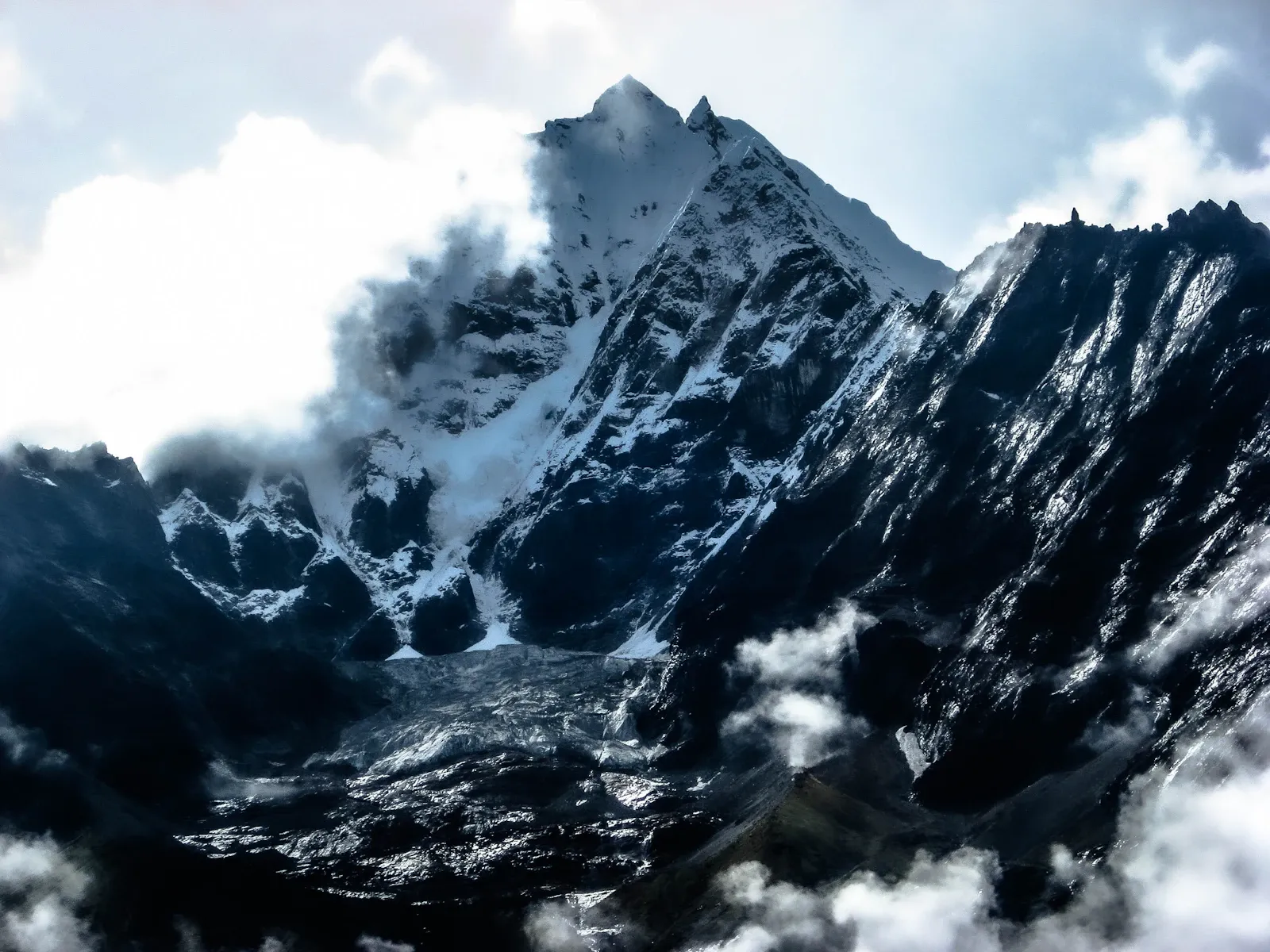
Kusum Kanguru (also spelled Kusum Kangru) is one of the most technical climbing peaks in Nepal's Khumbu region, rising between the Dudh Koshi and Hinku valleys. It is known for its triple summit and its steep rock, ice and snow. Although it is on Nepal's list of permitted trekking peaks, it is much more than a trekking peak.
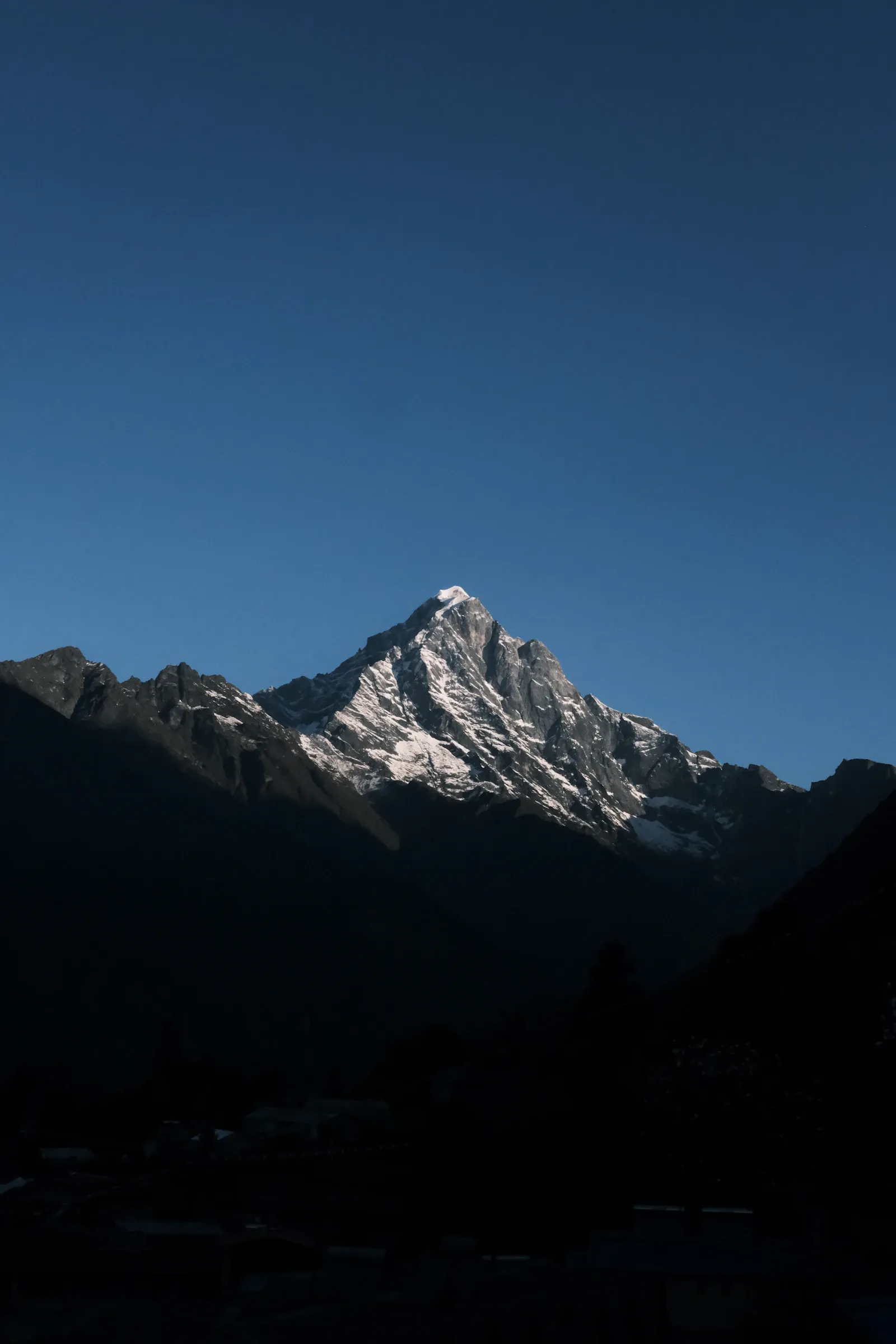
Kusum Kanguru stands at 6,367 m (20,889 ft), although the altitude varies slightly between maps and climbing references. Its Sherpa name means "Three Snow-White Gods", referring to its three prominent summits. The mountain's dramatic profile is visible from the Lukla area, making it a memorable sight in the lower Khumbu.
Unlike popular climbing peaks such as Island Peak and Mera Peak, Kusum Kanguru is a demanding climb that requires technical mountaineering skills. The route involves steep snow and ice, rocky terrain and fixed-rope techniques, and climbers must know how to use crampons, ice axes, ascenders, harnesses and other technical equipment.
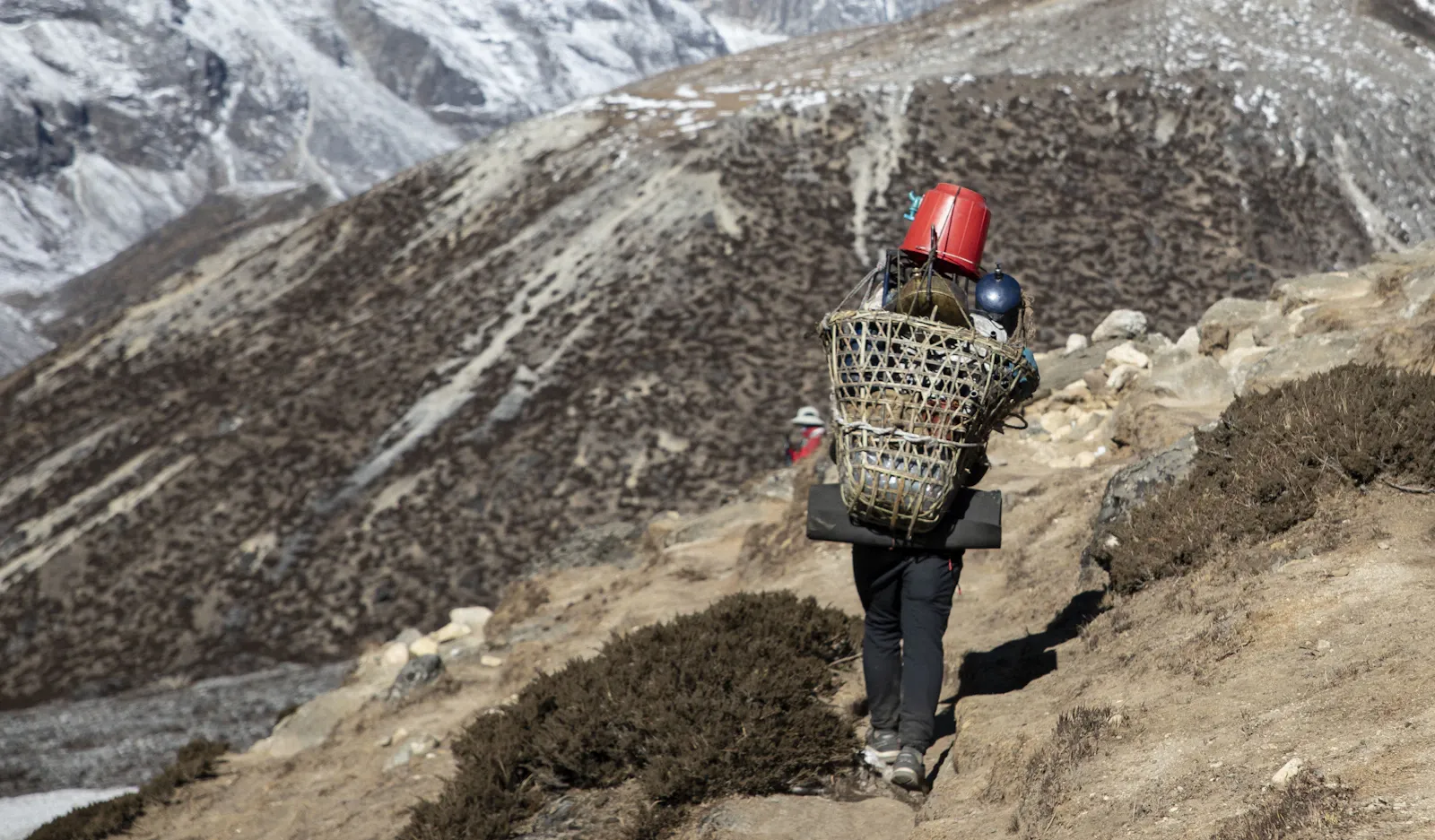
The approach through the Hinku Valley explores a quieter part of the Everest region before reaching the demanding upper slopes. The route passes forests, high pastures, traditional mountain communities, small villages and remote camps.
New Zealand climber Bill Denz made the first ascent of the main summit in October 1981. Many climbers from several countries have since turned back below the main summit, reflecting the technical challenges behind the mountain's reputation.
For climbers with previous high-altitude and technical climbing experience, Kusum Kanguru offers a challenging summit away from the crowded routes.
Kusum Kanguru is in the Khumbu region of northeastern Nepal, in Solukhumbu District. It lies between the Dudh Koshi Valley and the Hinku Valley, along the trekking and climbing routes from Lukla and toward Mera Peak.
The mountain is usually approached from the Hinku Valley, east of Lukla. The route goes through Chutanga, crosses Zatrwa La Pass and descends to Kothe before heading up the Hinku Valley to Base Camp.
The surroundings include steep ridges, glaciers, rocky slopes and alpine pastures, with rhododendron, fir and bamboo forest lower down, seasonal yak pastures and traditional Sherpa settlements.
Although the approach shares part of the Mera Peak route, the experience is very different: Kusum Kanguru is a highly technical climb, not a straightforward high-altitude trek and glacier ascent.
The commercial route starts in Lukla and continues into the Hinku Valley. Rather than following the main Everest Base Camp trail to Namche Bazaar, climbers head east from Lukla to Chutanga, cross Zatrwa La Pass, then descend to Thuli Kharka and Kothe. From Kothe, the route follows the Hinku River upstream to Thangnak, the acclimatization stop before Base Camp.
The climb on the Hinku side generally uses these camps:
The climbing section involves steep ice and rock, exposed terrain and fixed ropes. The exact line, the number of fixed ropes and the conditions depend on snow cover, the weather and the climbing guide's decisions.
Climbers reach the summit from Camp II, then make a difficult descent that requires rappelling along the established line. Be ready for a long summit day and follow the climbing team's safety instructions throughout.
Hover or tap a day for detailsScroll sideways to see every day
Altitudes are the highest point reached that day. Walking times are typical and exclude breaks; your guide adjusts the pace to the group.
When you arrive at Tribhuvan International Airport, you are welcomed and transferred to your hotel in Kathmandu (1,350 m). After checking in, you have time to rest and recover from your journey.
Later, you meet the expedition team and climbing Sherpa for a briefing on the climbing plan, your previous mountain experience, the required equipment and the general conditions of the journey.
Today you prepare for the expedition. The climbing team checks your technical equipment, such as boots, crampons, ice axes, harnesses, helmets, ascenders, ropes and other essential gear. Any missing equipment can be bought or hired in Kathmandu.
The team also arranges the climbing permit and park-entry formalities, and briefs you on the route, acclimatization plan, safety measures and emergency arrangements.
Altitude: Lukla 2,860 m; Chutanga 3,430 m
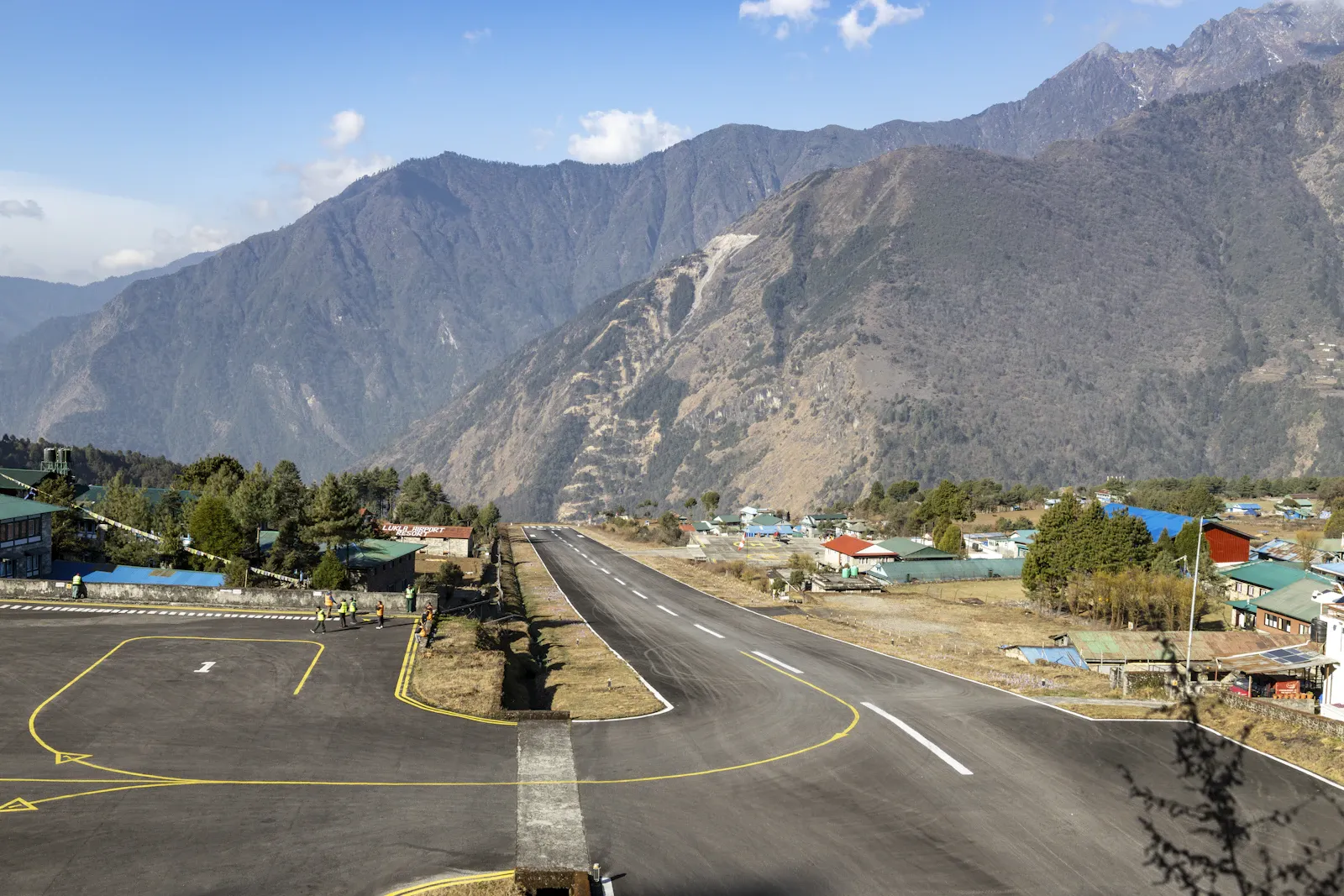
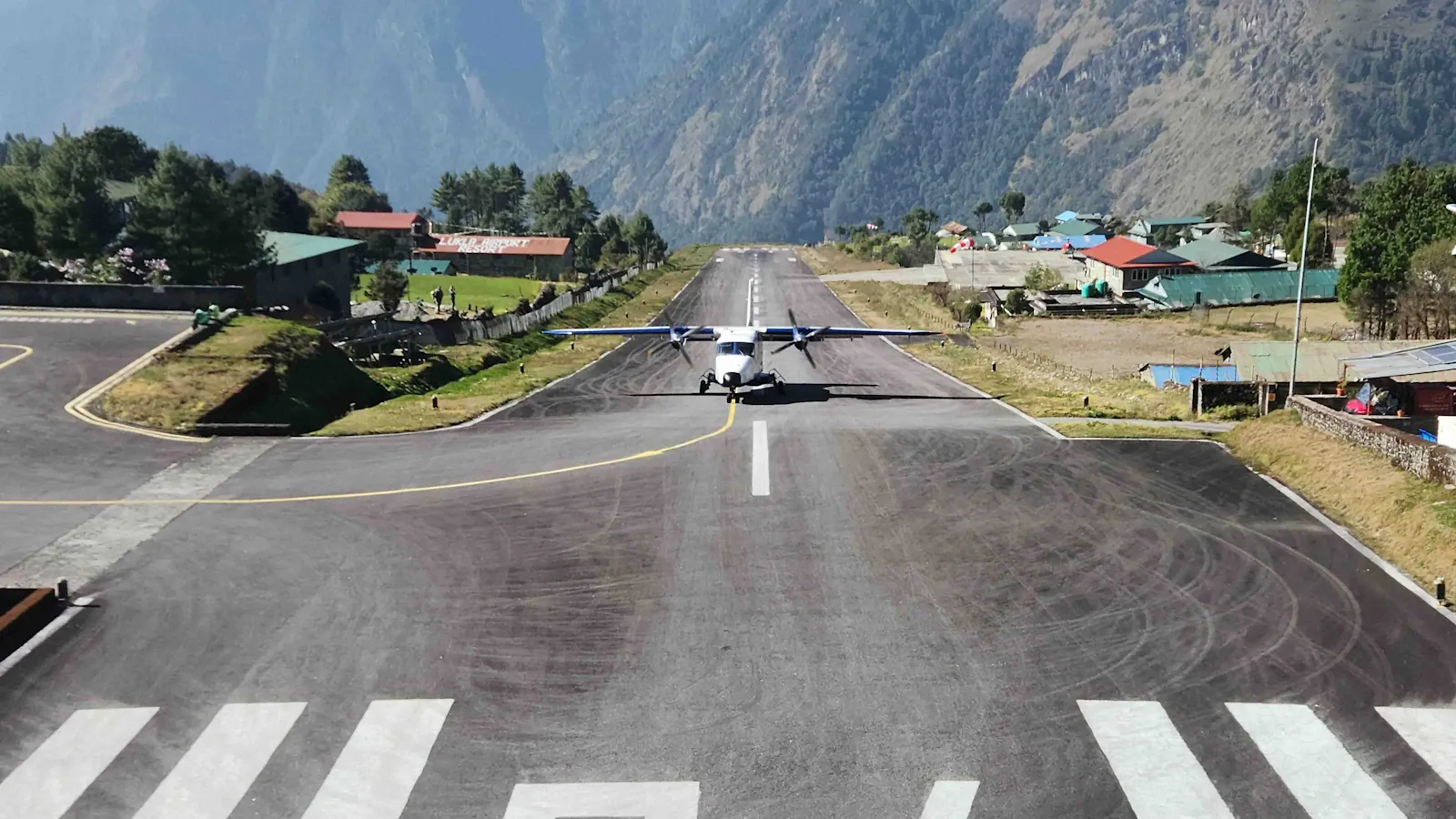
Today you fly from Kathmandu to Lukla. During busy periods, flights may go from Ramechhap, with an extra road transfer.
From Lukla, you start trekking to Chutanga. Rather than following the main Everest trail, you head east through pine and rhododendron forest, gradually gaining altitude, on your first steps toward the quieter Hinku region. At Chutanga, you settle into a local lodge.
Altitude: Zatrwa La Pass approx. 4,600 m; Thuli Kharka 4,300 m
Today is a challenging day. You leave Chutanga and climb steadily toward Zatrwa La Pass on rocky paths and grassy slopes. As you climb, the mountain views open up.
From the pass, you enjoy wonderful views of the Hinku Valley and the surrounding peaks before descending carefully to Thuli Kharka, a high grazing area with a few lodges. Depending on the season, there may be snow or ice around the pass, so walk carefully and follow your guide's instructions.
You descend from Thuli Kharka toward Kothe through rhododendron and bamboo forest. The route loses height before entering the Hinku Valley, and the forest contrasts sharply with the exposed alpine terrain around Zatrwa La.
You eventually reach Kothe (3,600 m), a small village beside the Hinku River. The lower altitude gives you a chance to recover after the previous day.
You continue up the Hinku Valley, following the river through wider mountain terrain. The route passes seasonal grazing areas and Lungsumgba Gompa near Gondishung, an important cultural site that offers an insight into the region's Buddhist traditions.
As you climb higher, the air thins and the surrounding peaks stand out more clearly. You continue to Thangnak (4,356 m), a seasonal settlement with limited lodge facilities.
Today is for acclimatization before the climb. A short walk to a higher viewpoint and back to Thangnak helps your body adapt to the increasing altitude.
The climbing team may also recheck the equipment, practise essential rope-handling skills, check the fit of your boots and crampons, inspect your harness and help you get familiar with the equipment. Rest well, stay hydrated and prepare for the next stage.
Today you leave Thangnak for Kusum Kanguru Base Camp (4,360 m) on the Hinku side of the mountain. The walk is relatively short, but the terrain becomes rougher as you approach the mountain, crossing moraine and rocky ground.
At Base Camp, the climbing crew sets up the tents and kitchen. You meet the climbing Sherpas, discuss the route and assess the snow, ice and rock conditions, while the team prepares the equipment and rechecks the climbing schedule.
Elevation gain: approx. 740 m
Today the technical climbing begins. From Base Camp, you follow the rocky moraine toward the first high camp (5,100 m). The terrain becomes steeper, with snow, ice and rock sections that need technical equipment, and the climbing team fixes ropes on exposed or difficult sections.
Carry only the personal equipment you need and follow your climbing team's instructions throughout. At Camp I, set up camp, organize and recheck your gear, and prepare for the next stage.
A second day at Camp I helps your body adapt to the altitude. Depending on the weather and climbers' condition, the team may arrange a short climb above camp to practise using fixed ropes, ascenders and rappelling equipment under the supervision of the climbing Sherpas.
The team also assesses the route and the ice and rock conditions toward Camp II. Proper rest, hydration and nutritious food are essential to prepare for the next stage.
Elevation gain: approx. 500 m
Today the route continues to Camp II (5,600 m), with steep ice and rock sections along the established line. The climb is very challenging and requires a steady pace, balance and experience with the fixed-rope system. Use your ascender and other technical equipment where required and move carefully through exposed terrain.
Camp II sits high on the mountain. Once there, organize your sleeping gear, put on warm layers and prepare your summit equipment, while the climbing team checks the conditions and sets the summit-day departure time.
Today is the hardest day of the climb. You start early to reach the summit in daylight and make the most of the best conditions.
The route involves steep snow and ice, exposed rock and mixed terrain. You use crampons, ice tools and fixed ropes under the guidance of the climbing team, and some sections may need front-pointing and careful movement past rope anchors.
Reaching the summit of Kusum Kanguru at about 6,367 m is a significant achievement. In clear weather, the summit offers wide views of the Himalaya, including the Everest region. After some time at the top, you descend carefully along the established route to Camp I.
Summit day is long, around 10–12 hours or more depending on the route, conditions and pace. Safety always comes before the summit.
This is a contingency day. If unsuitable conditions delayed the summit attempt, the team may use this extra day, as long as the leader considers it safe.
If you have already reached the summit, you descend from Camp I to Base Camp, and the Sherpa team removes the fixed ropes and expedition materials from the high camps. At Base Camp, you can rest, recover and prepare for the trek out.
You leave Base Camp and descend through the upper Hinku Valley, passing Thangnak and continuing along the river to Kothe (3,600 m). As you lose altitude, the air warms and breathing becomes easier.
After many days at high altitude, the lower valley offers a chance to recover and enjoy a more comfortable night in a local lodge.
The route follows the Hinku Valley before climbing through rhododendron, fir and bamboo forest to Thuli Kharka (4,300 m). Although you are heading out after the climb, this long uphill walk still takes a lot of energy.
At Thuli Kharka, you prepare for the final crossing of Zatrwa La.
Altitude: Zatrwa La Pass approx. 4,600 m; Lukla 2,860 m
The final trekking day starts with a climb to Zatrwa La Pass, where you enjoy a last wonderful view of the Hinku Valley before descending through Chutanga and the forest to Lukla.
In Lukla, celebrate completing the journey with the climbing team and enjoy a comfortable evening in a local lodge.
You fly from Lukla to Kathmandu, weather permitting. During busy periods, flights may go to Ramechhap, followed by a road transfer.
In Kathmandu, you are transferred to your hotel and have the rest of the day at leisure to rest, return any hired climbing equipment or explore the city.
Your journey ends today. Depending on your international flight schedule, you are transferred to Tribhuvan International Airport for your onward journey.
You leave Nepal with lasting memories of the Hinku Valley, its mountain settlements and your technical climbing experience on Kusum Kanguru.
Every itinerary on this page can be changed. Tell us what you would like and a trip planner will send back a tailored day-by-day plan and price, usually within a few hours.
Departure dates and prices are confirmed on request. The final quotation clearly explains what is included and excluded.
Pick any start date in the booking box or send us your plans and we'll confirm availability within a few hours.
Confirm the final equipment list with the climbing team. The team provides some equipment, such as ropes, protection and camp facilities.
Kusum Kanguru suits climbers looking to build technical experience on a challenging mountain.
A technically challenging 6,000 m summit: steep ice, exposed rock and mixed climbing, with an upper route that needs careful movement on fixed ropes.
A quieter Himalayan experience: compared with famous routes such as Everest Base Camp and Island Peak, the Hinku Valley approach sees far fewer trekkers, giving a more remote experience and a greater sense of wilderness.
A distinctive triple summit: the three prominent summits create a recognizable profile, and the steep rock and snow faces are impressive from the surrounding valleys.
Mixed alpine experience: challenging ice climbing, rocky terrain, glacier travel, fixed-rope systems and rappelling, for climbers who want to tackle more demanding alpine routes.
Beautiful Himalayan views: from high on the mountain, views take in Mera, Thamserku, Kangtega and, on clear days, the major peaks of the Everest region.
Sherpa mountain culture: local lodges, monasteries, prayer flags, mani walls and seasonal grazing settlements reveal the cultural landscape of the Hinku and Khumbu regions.
Kusum Kanguru is a very demanding peak and is strongly discouraged for beginners or trekkers attempting their first Himalayan peak. The altitude, steep terrain, exposed sections and the technical skill needed on fixed ropes all add to the difficulty, and climbers may meet blue ice, steep snow slopes and rocky, mixed terrain.
The upper sections require confidence with:
It is one of the most difficult peaks on Nepal's permitted trekking-peak list, and its technical demands are much greater than those of many other 6,000 m peaks.
Previous successful high-altitude technical climbs of at least 6,000 m are strongly recommended, and you must have experience with crampons, ice axes and fixed ropes before the expedition. Physical fitness alone is not enough: technical preparation, sound judgment, experience in freezing weather and the ability to move safely as part of a rope team are essential.
Spring and autumn are the best times to climb, thanks to their weather windows, although mountain weather can change at any time and no season guarantees the summit.
Spring (April–May): one of the best seasons, with milder temperatures and longer daylight for climbing. Rhododendrons bloom in the forests around Chutanga and the Hinku Valley. Snow and ice still need careful movement higher up, and afternoon cloud or changing weather can affect the climb.
Autumn (October–November): after the monsoon, skies are often clear, visibility improves and stable weather windows can give good opportunities for technical climbing, although temperatures drop below freezing and ice conditions can affect the route.
Seasons to avoid: the summer monsoon brings cloud, wet trails, a higher risk of landslides and unpredictable conditions, while winter brings freezing temperatures, heavy snowfall and difficult access.
Accommodation varies with altitude and location.
Kathmandu: a comfortable tourist-standard hotel with private rooms and modern facilities, where you rest, complete the permit arrangements and prepare your technical equipment.
Teahouses and lodges: basic, limited facilities with shared bathrooms, communal dining rooms and simple bedrooms. Hot showers, charging and Wi-Fi cost extra.
Camping: sleeping tents, a dining tent and kitchen facilities at Base Camp and the high camps.
Meals are provided during the trekking and climbing sections, depending on what is available. Common options include:
At the high camps, the expedition team prepares meals from supplies carried up the mountain. Energy-rich food and plenty of fluids are particularly important during technical climbing.
Treat or boil water to make it safe to drink, and bring reusable bottles and water-treatment tablets.
Climbing Kusum Kanguru requires the appropriate climbing and entry permits, arranged before the expedition begins. The main requirements may include:
Kusum Kanguru is a very demanding technical climb that needs a higher level of preparation than most trekking peaks in Nepal. Start preparing several months before the journey.
Cardiovascular training: regular hiking, running, cycling and stair climbing with a loaded pack.
Strength and endurance: leg and core strength, shoulder and upper-body exercises, with squats, lunges, step-ups and planks.
Technical climbing skills: before arriving in Nepal, learn and practise the following under professional guidance:
Previous mountaineering experience: previous high-altitude experience is strongly recommended, and experience on easier Himalayan peaks alone does not prepare you for Kusum Kanguru. We assess each climber's experience and technical ability before accepting a booking.
At about 6,367 m, oxygen is much lower than at sea level, so altitude sickness is a serious risk throughout the journey. The approach via Chutanga, Zatrwa La, Kothe and Thangnak lets you gain altitude gradually before Base Camp and the high camps.
Common symptoms of acute mountain sickness (AMS) include:
Follow the acclimatization schedule, stay hydrated, avoid overexertion and report any symptoms to the expedition leader immediately. Don't continue climbing with signs of AMS, and descend immediately if symptoms become serious.
Safety is essential on Kusum Kanguru because of its challenging climbing, exposed terrain and unpredictable conditions. A professional expedition team includes experienced climbing Sherpas, suitable fixed-rope systems and protective equipment, and a clear emergency response plan.
Weather assessment: the weather is assessed regularly, as strong winds, snowfall, poor visibility and changing temperatures can make climbing difficult.
Fixed-rope safety: use the correct ascenders, carabiners and backup systems as directed by the climbing team.
Climbing pace: the team moves at a controlled pace and avoids unnecessary delays during the summit attempt.
Communication: suitable communication equipment links the climbing team and Base Camp.
Emergency evacuation: a practical evacuation plan is set up before the expedition. Helicopter rescue is only possible from suitable locations, depending on weather, altitude, landing conditions and operational restrictions.
Turnaround decisions: reaching the summit is never more important than returning safely. The climbing leader decides when to stop or turn the team around if conditions become unsafe.
Travel insurance is a must. Standard trekking insurance is usually not enough, because Kusum Kanguru is a technical mountaineering climb above 6,000 m. Your policy should specifically cover:
Check the policy exclusions carefully and confirm that the insurer accepts technical climbing on Kusum Kanguru. Don't assume you are covered just because a policy mentions trekking or high-altitude travel.
The cost depends on the duration, group size, climbing Sherpa support, permit fees, accommodation, transport and the technical equipment provided. As a technical climb, its logistics are more demanding than those of ordinary trekking peaks, with extra climbing staff, fixed ropes, high-altitude camping equipment, food supplies and loads to transport. The main cost factors are:
International flights, personal climbing equipment, personal expenses and insurance are quoted separately.
The Hinku Valley is an important natural and cultural area, and responsible travel helps protect its forests, wildlife, trails and traditional communities.
Paced perfectly for the altitude
Our guide checked our oxygen levels every evening and never once rushed us. Standing at base camp after nine days of walking was emotional, and the team made it feel effortless to organise.
Thorong La at sunrise
We left High Camp at 4 am and topped out on the pass as the sun hit the snow. The teahouses were well chosen, food was hot, and our porter Binod became a friend.
Small group, big views
Mardi Himal was the perfect short trek for us. Rhododendrons in full bloom, Machhapuchhre right in front of us at high camp, and a guide who knew every village we passed.
Langtang exceeded every expectation
Close to Kathmandu but it feels remote. Kyanjin Gompa and the climb to Tserko Ri were highlights. Communication before the trip was quick and honest about what to expect.
Keep exploring
More trips in the Everest Region and similar adventures.
Everest RegionStrenuous
6,189 mLevel 5
PriceOn request
View tripEverest RegionVery demanding
6,189 mLevel 5
PriceOn request
View tripEverest RegionModerate to Challenging
6,119 mLevel 3
From US$2,700
View tripEverest RegionVery challenging and technical
6,423 mLevel 5
PriceOn request
View tripEverest RegionTechnical alpine climb, AD+
6,340 mLevel 5
PriceOn request
View tripAnnapurna RegionVery challenging and technical
6,501 mLevel 5
PriceOn request
View tripAnnapurna RegionDemanding and technical
6,419 mLevel 5
PriceOn request
View tripLangtang RegionDemanding and technical
6,412 mLevel 5
PriceOn request
View tripPlan with a local expert
Send us your preferred dates. We'll confirm availability, flights and lodges, and answer any question before you pay a deposit.