Everest RegionStrenuous
Everest Three Passes Trek with Island Peak Climbing - Experience the Everest Region Beyond the Ordinary
6,189 mLevel 5
PriceOn request
View trip
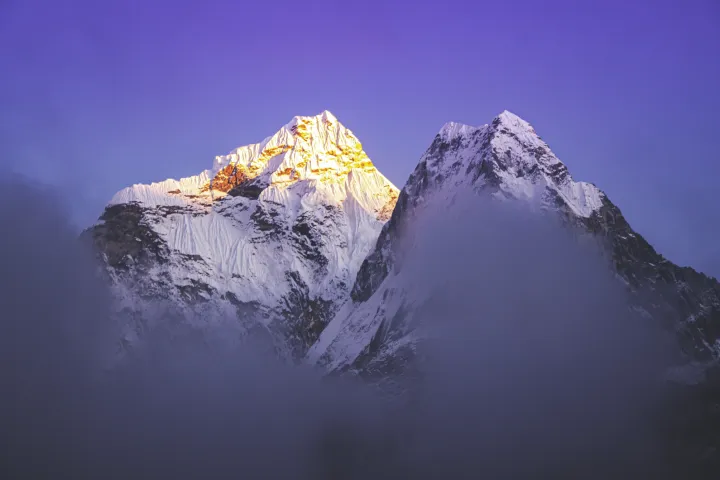
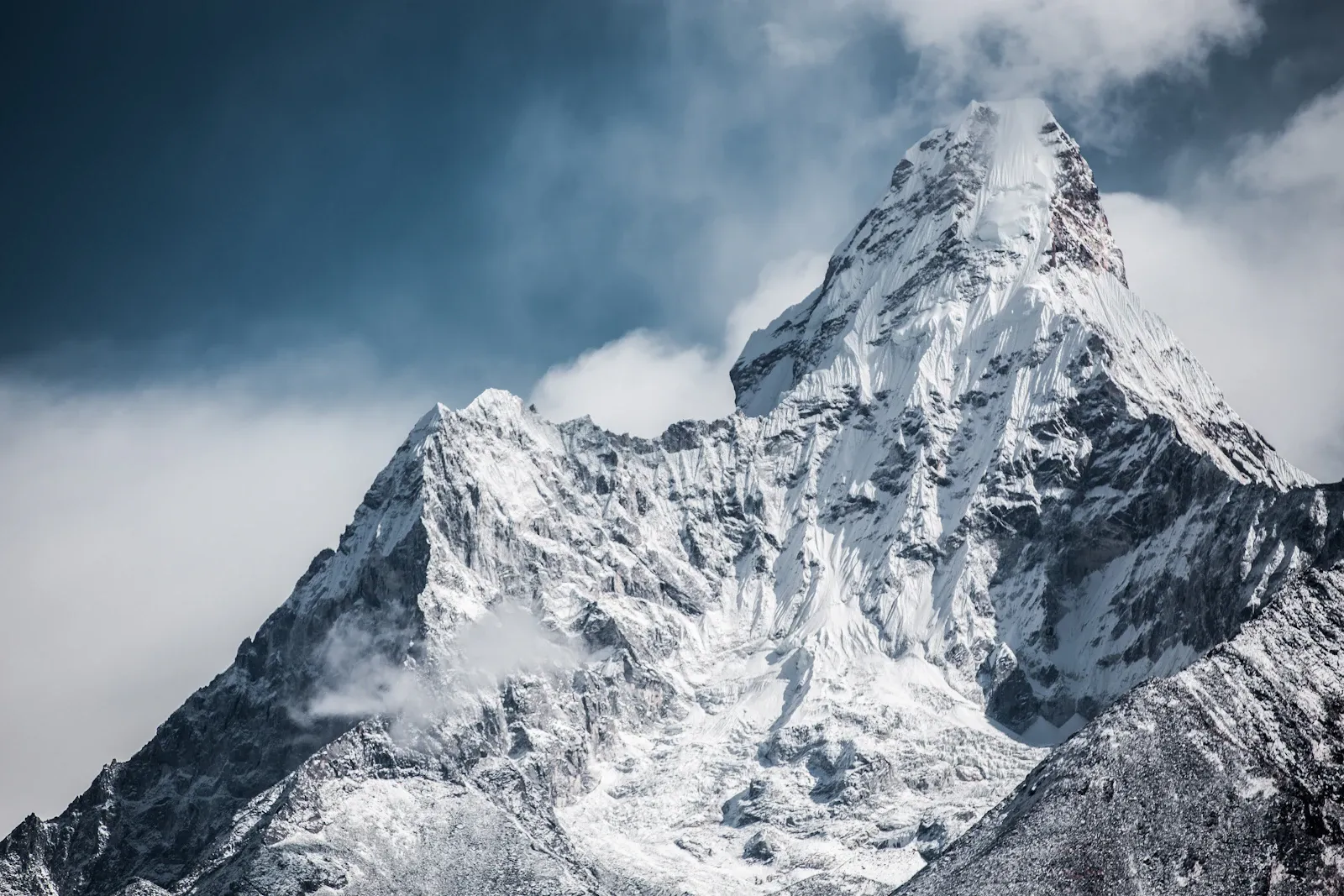
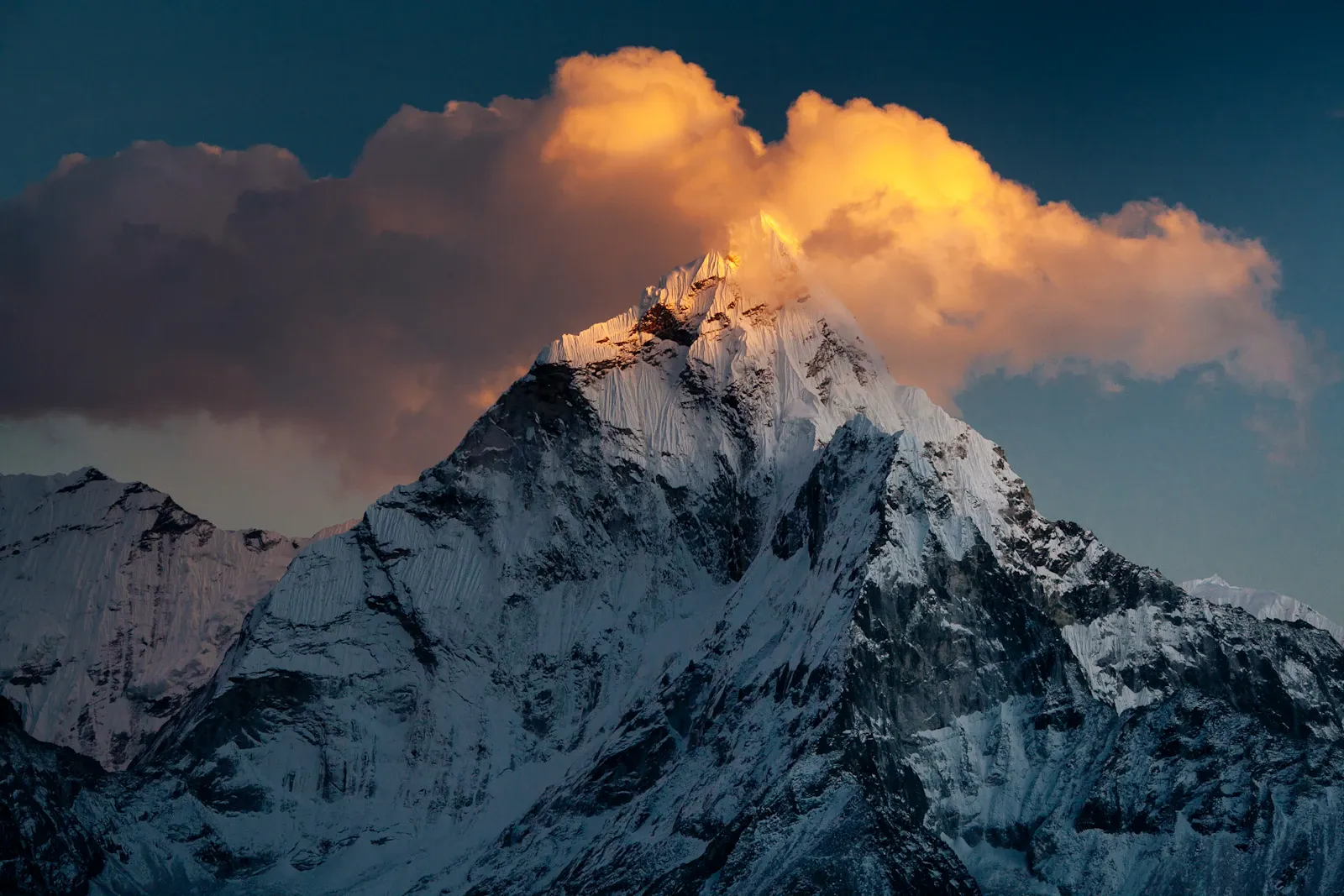
Ombigaichen is a notable mountain in the Mahalangur Himal range, rising to about 6,340 m in Nepal's Khumbu region. It stands near Ama Dablam, above the Mingbo Valley, and climbing it is a thrilling mountain experience in the Everest region.
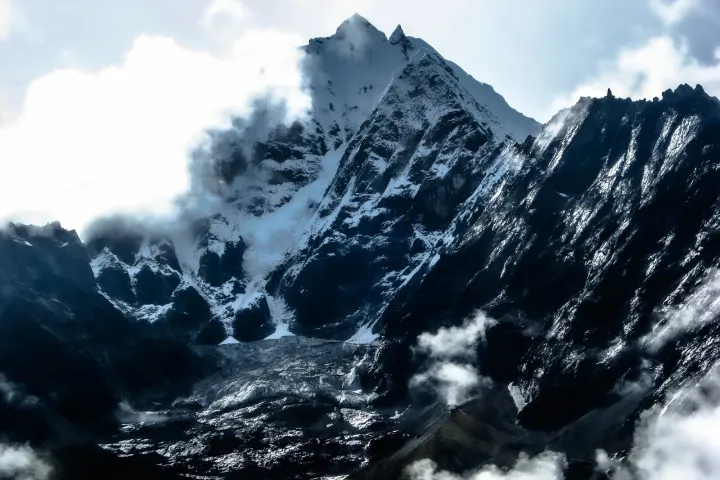
Ombigaichen is a technical climb, unlike most trekking peaks. It involves mixed rock, snow- and ice-covered terrain, ridges and unpredictable mountain conditions, and depending on the route and conditions, climbers may meet steep snow and ice and challenging rock sections.
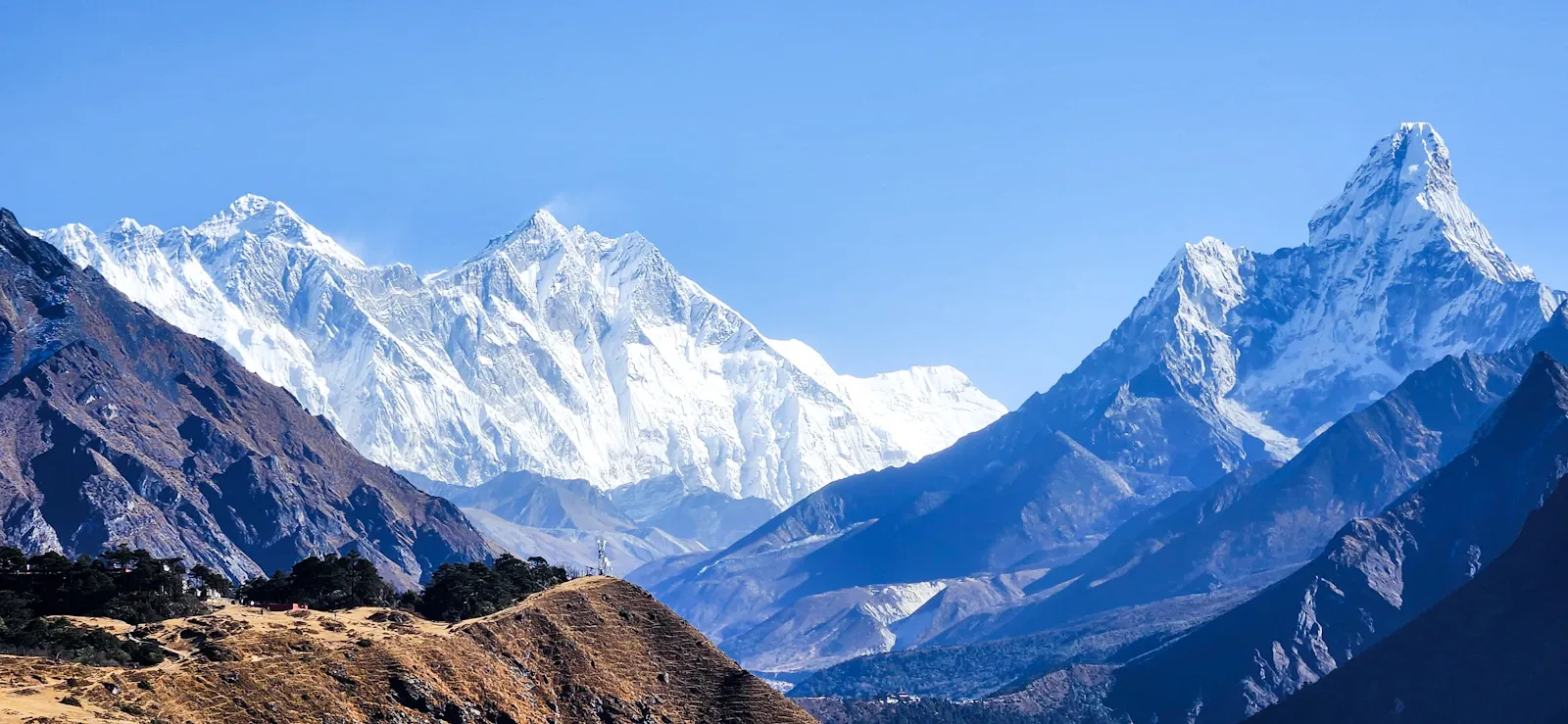
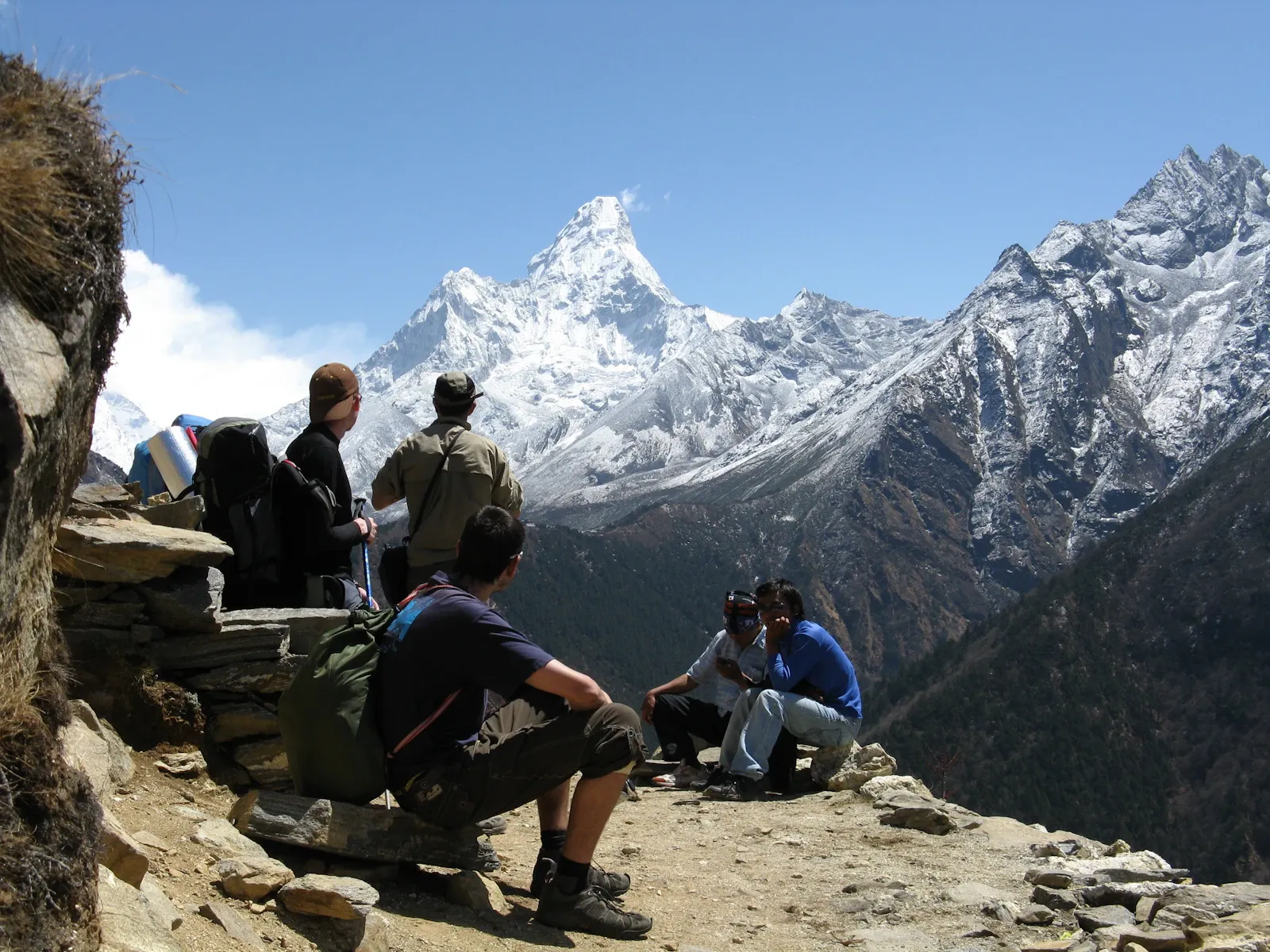
It is an attractive, less crowded climb. Standing beside Ama Dablam, the mountain offers beautiful views of Everest, Lhotse and the other peaks of the Khumbu Himal.
Ombigaichen has an interesting climbing history. Jim Milledge and Sherpa Ang Tsering made the first ascent via the northwest ridge in November 1960, during Sir Edmund Hillary's Silver Hut expedition, and named the mountain Puma Dablam ("daughter Dablam"). A small British team climbed the south ridge in 2002, the year Ombigaichen was opened as a climbing peak, and a Ukrainian team established a new route on the southwest ridge in 2016.
Ombigaichen is a demanding objective, especially for climbers who want to go beyond trekking-peak ascents. It requires mountain experience, careful movement, proper acclimatization, technical equipment and a professional climbing team.
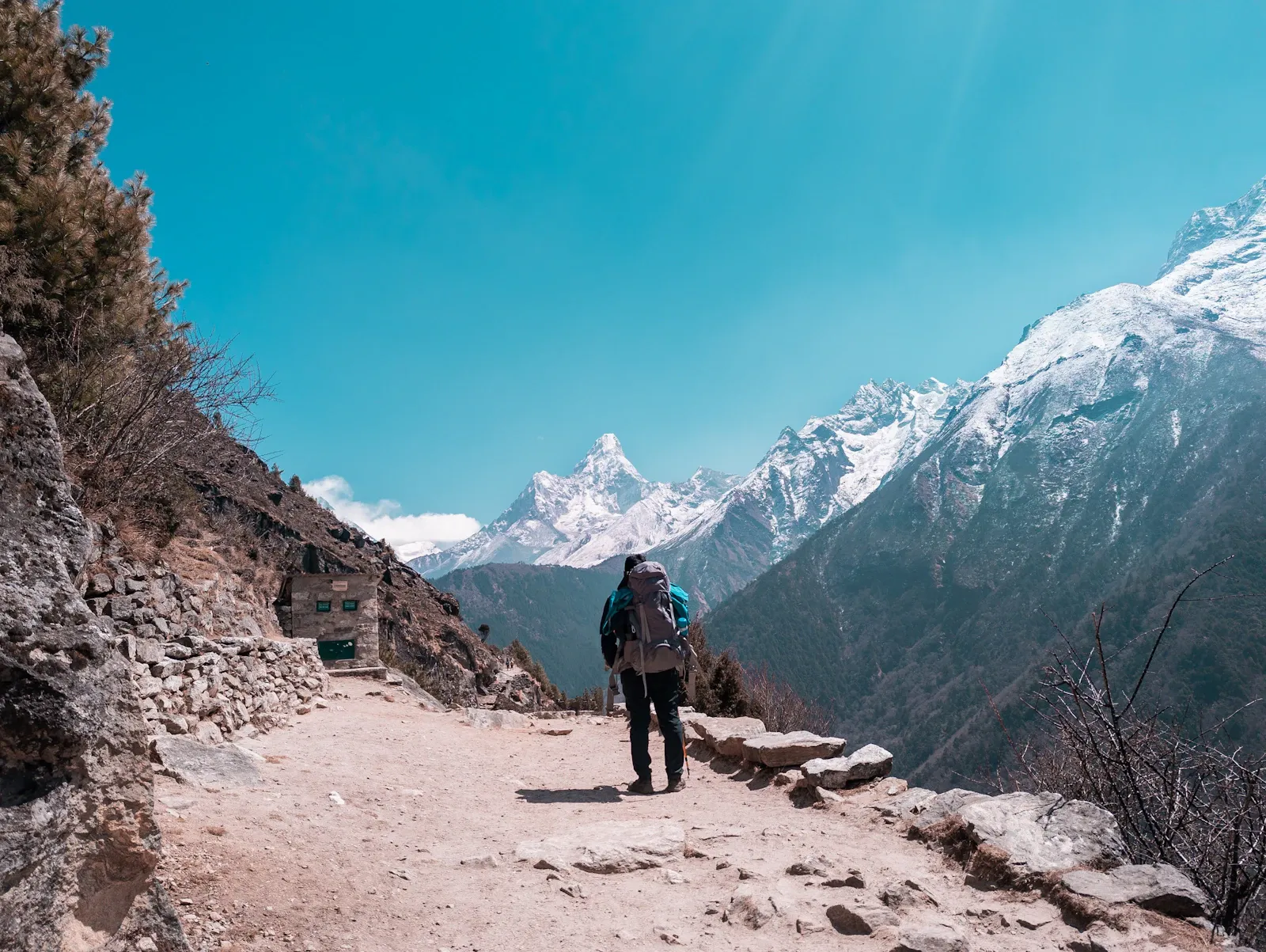
The journey starts in Kathmandu and follows the traditional Khumbu trail through Lukla, Phakding, Namche Bazaar, Tengboche and Pangboche. From Pangboche, climbers head to Ama Dablam Base Camp before tackling the challenging upper section of Ombigaichen.
The mountain has several climbing lines, including the northwest, south and southwest ridges. The actual route is decided by the expedition team according to mountain conditions.
Ombigaichen offers a more technical, less crowded side of Himalayan mountaineering. At 6,340 m, it requires preparation, climbing experience, teamwork and respect for the unpredictable high-altitude weather, and it combines the Sherpa culture of the Everest region with serious climbing in the alpine landscape around Ama Dablam.
If you have previous climbing experience and are looking for a challenging Himalayan objective, Ombigaichen is an excellent choice. Contact our team to discuss your experience, preferred season and arrangements.
Hover or tap a day for detailsScroll sideways to see every day
Altitudes are the highest point reached that day. Walking times are typical and exclude breaks; your guide adjusts the pace to the group.
When you arrive at Tribhuvan International Airport, you are welcomed and transferred to your hotel in Kathmandu (1,337 m). After checking in, rest and recover from your journey; depending on your arrival time, you may explore the nearby streets, local markets or cultural sites.
In the evening, you meet the expedition team for a briefing on the Ombigaichen climb, covering the schedule, route, local arrangements and the preparation needed for the journey.
Today you make the final arrangements before leaving for the Khumbu region. The climbing team arranges the climbing permits and checks the required mountain equipment.
Your climbing guide checks your personal equipment, technical clothing and safety gear to make sure everything suits the expected conditions, and any missing equipment can be hired in Kathmandu. The guide also gives a detailed briefing on the proposed route, acclimatization schedule, communication procedures, emergency arrangements, weather and mountain conditions.
This preparation day matters because Ombigaichen is a demanding technical climb that needs previous mountain experience, not just basic trekking ability.
After breakfast, you travel from Kathmandu to Manthali (474 m) in Ramechhap District. The drive leaves the busy Kathmandu Valley and winds through river valleys, terraced hillsides and traditional villages of central Nepal.
Manthali is the departure point for Lukla flights during the periods when they operate from Ramechhap. On arrival, check into your guesthouse and prepare for the early-morning flight, keeping your permits and personal belongings ready.
Altitude: Lukla 2,860 m; Phakding 2,610 m
An early-morning flight takes you from Manthali to Lukla, with wide Himalayan views in good weather. In Lukla, you meet your trekking team and start walking to Phakding.
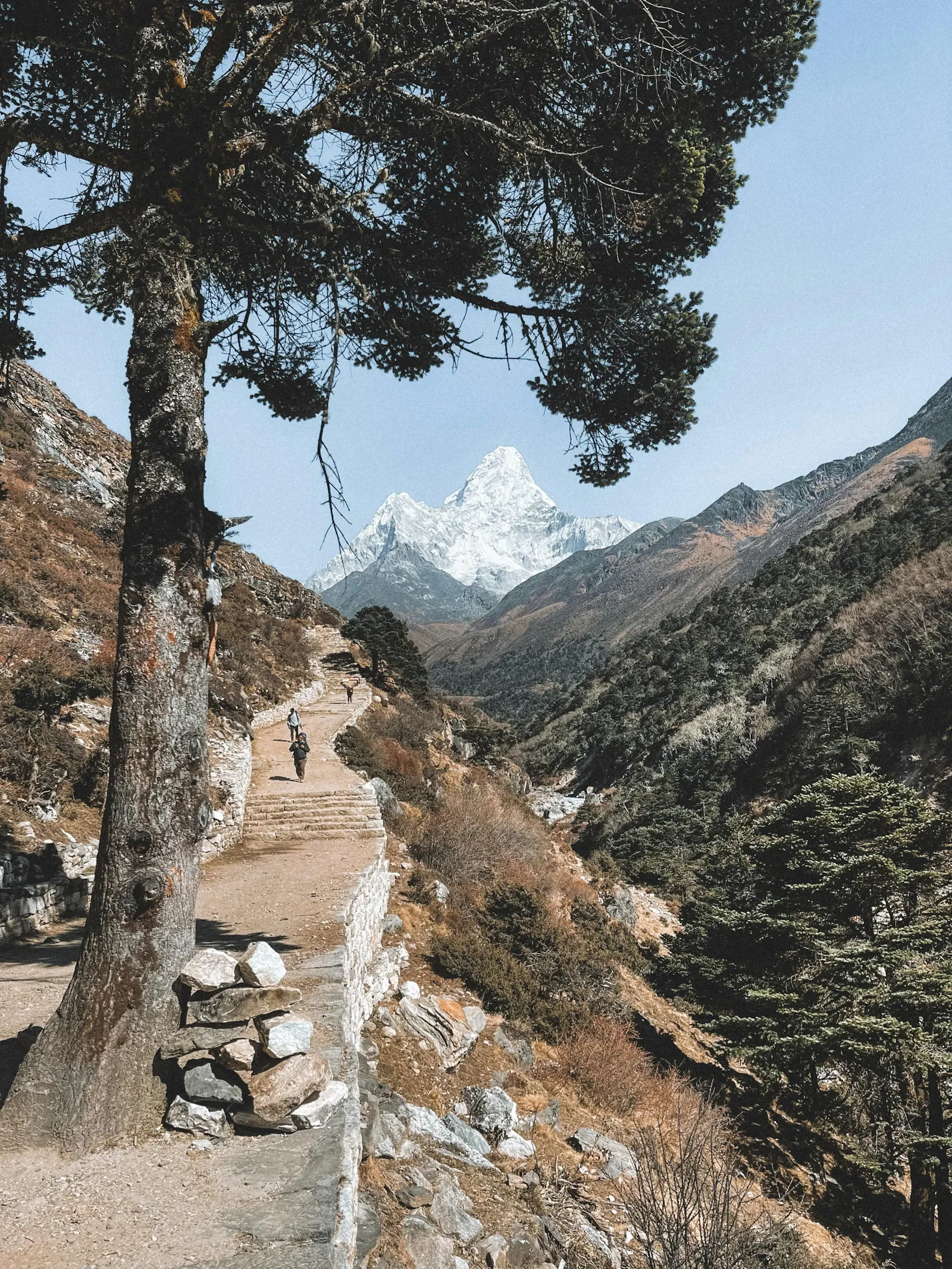
The trail descends through the village and follows the Dudh Koshi River past small Sherpa villages, prayer wheels, mani walls and suspension bridges. This gentle walk helps you adapt to the mountain environment before going higher. Phakding is a small settlement surrounded by forested hills and traditional lodges.
Today you continue up the Dudh Koshi Valley, crossing several suspension bridges decorated with prayer flags. At Monjo, you enter Sagarmatha National Park, then continue through Jorsale to the famous Hillary Suspension Bridge.
Beyond the bridge, a steady climb brings you to Namche Bazaar (3,440 m), one of the Khumbu's most important towns and a major acclimatization and supply centre for climbing expeditions. Settle into your lodge and rest, avoiding unnecessary exertion, as tomorrow is an acclimatization day.
Today is an acclimatization day. Above 3,000 m, your body needs time to adjust to the lower oxygen levels.
Depending on your condition and the guide's advice, you can take a short hike to the Everest View Hotel or another viewpoint, with impressive views of Everest, Lhotse and Ama Dablam. You can also visit the Sherpa Culture Museum to learn about the region's mountaineering history, culture and traditions, before returning to Namche for the night.
You leave Namche Bazaar on a scenic trail along the hillside, with beautiful views of the surrounding Himalayan peaks. After passing through forest and traditional villages, the trail descends to Phungi Thanga before climbing to Tengboche (3,867 m).
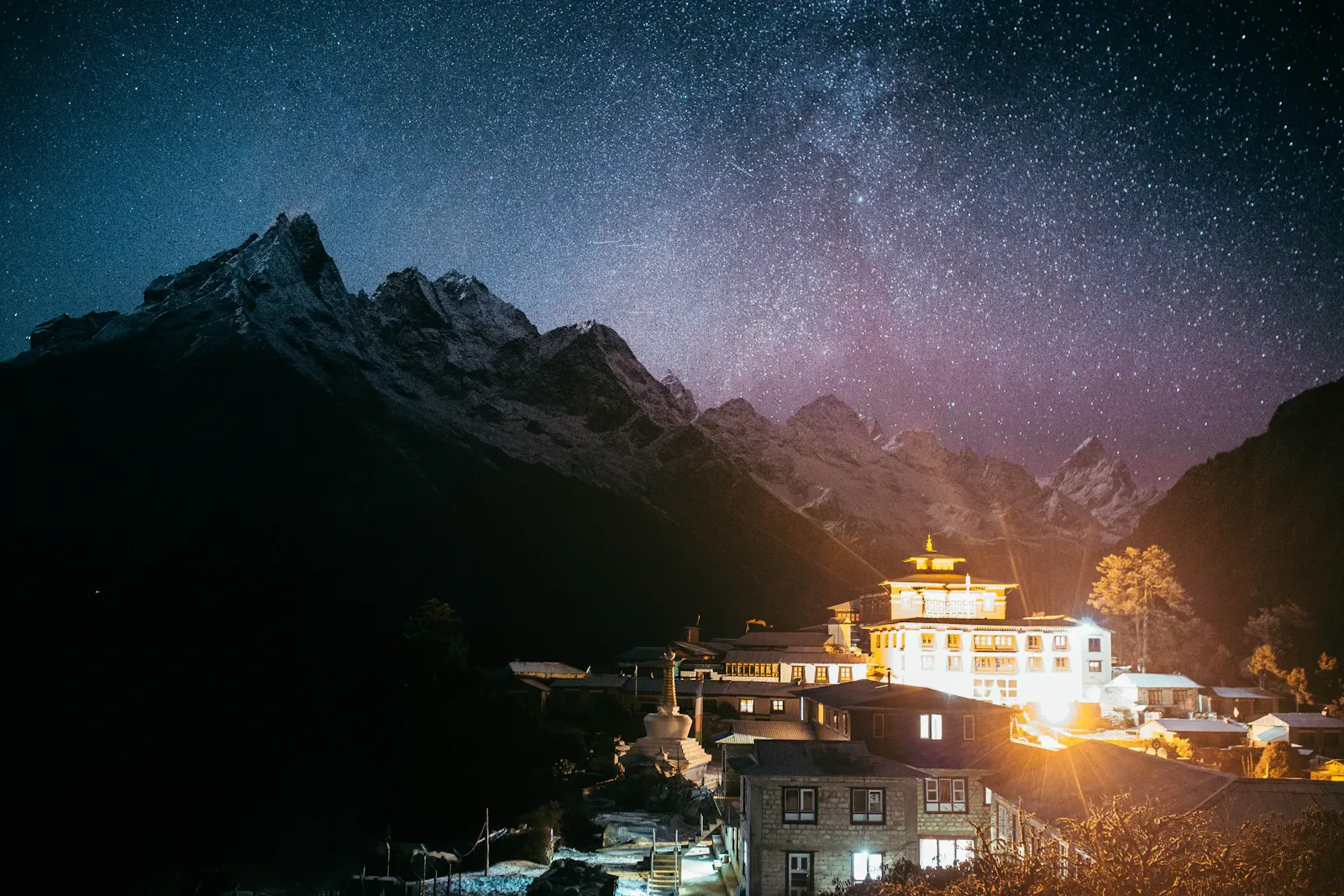
Tengboche is famous for its monastery, which holds a significant place in the Buddhist culture of the Khumbu region. The monastery and its mountain backdrop make a memorable stop. Spend the evening resting and preparing for the next day.
The walk continues through Deboche to Pangboche (3,985 m), climbing gradually through forest past traditional Sherpa villages, stone houses, mani walls and prayer flags.
Pangboche is one of the best-known villages in the upper Khumbu, with traditional architecture and Buddhist heritage that offer an insight into local life. It is also the last stop before Ama Dablam Base Camp, so rest well and prepare for the move from the trekking trail to the remote alpine terrain.
Today you leave the main trekking route for Ama Dablam Base Camp (4,600 m). The route crosses the Imja Khola and climbs through open mountain landscapes, yak pastures and rocky terrain, with fewer trees and more open ground as you gain height.
Ama Dablam Base Camp is the staging area for the Ombigaichen climb, where the climbing crew rechecks equipment, assesses the route and conditions, and prepares for the technical climb ahead. On arrival, you receive instructions from your guide team.
This day is for both acclimatization and technical preparation. Depending on the weather and climbers' condition, the climbing guide may arrange a short hike to about 5,000 m before returning to Base Camp.
The team also practises basic mountaineering techniques, including crampon and ice-axe use, rope management, harness use and safe movement on mixed terrain. The guide reviews the climbing plan and route conditions, and checks the equipment, communication arrangements and emergency procedures. As Ombigaichen involves technical rock, ice and snow climbing, this preparation is essential before heading to High Camp.
Elevation gain: approx. 900 m from Base Camp
Today you climb to High Camp (5,500 m) with the climbing team. The route leaves Base Camp for more serious mountain terrain, and depending on the established line, you may cross rocky paths, loose rock, snow-covered sections and glacier terrain.
Climbing gear and group supplies must be carried carefully, and the team moves at a steady pace, keeping its spacing and following the climbing guide's instructions. At High Camp, set up the tents, recheck your equipment for the summit attempt, then rest, stay hydrated and prepare for the challenging climb ahead.
Today is the most challenging part of the climb. You usually set off before dawn, with the departure time depending on the weather, snow conditions and the route assessment.
The climb crosses technical alpine terrain, where you may meet steep snow and ice slopes, mixed rock, exposed ridges and other demanding features. Rope systems and other technical protection are used as the route and conditions require, and the climbing guide sets the pace, assesses the snow and ice, and makes the safety decisions on continuing to the summit.
Reaching the 6,340 m summit is a significant achievement. In clear weather, you can enjoy views of Ama Dablam, Everest, Lhotse and the neighbouring peaks. After some time at the top, you descend carefully along the route to the designated camp under the guidance of the climbing team; descending technical terrain needs a steady pace and careful movement.
The summit is never guaranteed, as mountain weather, snow conditions, fatigue or other safety factors can cause delays.
This contingency day gives the climbing team flexibility in case the weather or route conditions are unsuitable. Conditions at altitude depend on the weather, wind, snowfall and the state of the technical route, and changes or delays can affect the summit attempt.
If the summit has already been reached, the day is used for recovery, packing, checking equipment and preparing for the trek back down.
After the climb, you walk back toward Namche Bazaar, retracing the route through Pangboche and Tengboche. The lower altitude gradually eases the strain of the long days at high altitude.
The descent is another chance to enjoy the traditional settlements and surrounding peaks of the Khumbu. In Namche Bazaar (3,440 m), you can rest in a comfortable lodge after the long journey.
Today you retrace the route along the Dudh Koshi River to Lukla (2,860 m), passing through Monjo and Phakding and crossing familiar suspension bridges and village paths.
Although the route is mostly downhill, it includes several climbs, so descend carefully, especially if you are carrying personal equipment or feeling any effects of the climb. In Lukla, spend the evening with your team and prepare for the return flight.
After breakfast, you take an early flight from Lukla to Kathmandu, subject to weather and flight availability. If flights operate via Manthali, you continue by road from Ramechhap to Kathmandu.
In Kathmandu, you are transferred to your hotel and can relax after completing the journey. The rest of the day is free for shopping or exploring the city's cultural sites and streets.
Your Ombigaichen Peak Climbing journey ends today. Depending on your international flight schedule, you are transferred to Tribhuvan International Airport.
You leave Nepal with wonderful memories of the Khumbu region, its mountain villages and the experience of climbing a demanding Himalayan peak.
Every itinerary on this page can be changed. Tell us what you would like and a trip planner will send back a tailored day-by-day plan and price, usually within a few hours.
Departure dates and costs depend on the climbing season, group size, chosen route, guides, support team and logistics. Departure dates, group size and price per person are confirmed on request, and private expeditions can be arranged. Contact our team for an updated quotation.
Pick any start date in the booking box or send us your plans and we'll confirm availability within a few hours.
Ombigaichen is a challenging technical climb, so come prepared with suitable equipment for mixed rock, snow and ice.
Spring and autumn are generally the best seasons for climbing in the Khumbu region.
Spring (March–May): one of the best periods for climbing in the Nepal Himalaya. Temperatures become warmer and longer days support the climbing schedule, although route and weather conditions are always assessed before each climb.
Autumn (September–November): another popular climbing season, with clear, stable weather and good visibility. Late autumn can also offer good conditions, though it gets increasingly cold at higher altitudes.
The final climbing window always depends on the current weather forecast, snow and ice conditions and the climbing guide's advice.
Ombigaichen is a challenging climb and should not be treated as an ordinary trekking peak. It requires much more than walking at high altitude: depending on the conditions, you may face steep snow and ice slopes, exposed ridges, rocky terrain, mixed climbing and demanding alpine sections.
The expedition suits climbers with:
It is not recommended as a first Himalayan climbing peak for someone with only basic trekking experience.
Ombigaichen requires structured fitness preparation. Training should build cardiovascular endurance, leg strength and core stability, and the ability to keep a steady pace throughout the expedition. Useful activities include:
Technical climbing instruction is important: physical fitness alone doesn't give you the skills needed on exposed ridges, fixed-rope systems and steep alpine terrain.
Acclimatization is one of the most essential parts of Ombigaichen Peak Climbing. Above 3,000 m, the body needs time to adapt to the lower oxygen levels, so the itinerary includes gradual altitude gain and acclimatization stops. Even so, experienced and physically fit climbers can still develop altitude sickness.
Common signs of AMS include:
Tell the climbing team immediately if you notice any of these signs, and descend as soon as possible if they get worse.
Ombigaichen is an NMA Group A climbing peak, and you need the following documents before the journey:
Permit fees and requirements can change with the season and route, so the current rules are always checked before departure.
Insurance is essential above 6,000 m. Your policy must cover:
Standard travel insurance may not cover technical climbing, so read your policy carefully and get written confirmation of cover before the journey.
Meals: during the trek, meals are generally local, including dal bhat, lentils, rice, noodles, porridge, eggs, soups and seasonal vegetables. At the higher camps, the expedition kitchen team prepares simple meals.
The Khumbu region is home to the Sherpa community, whose culture, traditions, language and way of life are deeply connected to the mountains.
On the trek, you pass through communities such as Namche Bazaar, Tengboche and Pangboche, with prayer flags, mani walls, monasteries and Buddhist temples along the way. Tengboche Monastery is an important religious site, and Pangboche is known for its traditional village and Buddhist heritage.
Respecting local people is an important part of responsible travel: ask permission before photographing people, follow monastery guidelines and respect religious sites.
Responsible practices matter throughout the expedition:
Every climb needs careful planning, and the climbing team assesses each climber's experience, physical condition, available time and objectives. Discuss your Ombigaichen expedition with our climbing team before you travel to agree the route, camp arrangements and acclimatization schedule. Possible adjustments include:
Paced perfectly for the altitude
Our guide checked our oxygen levels every evening and never once rushed us. Standing at base camp after nine days of walking was emotional, and the team made it feel effortless to organise.
Thorong La at sunrise
We left High Camp at 4 am and topped out on the pass as the sun hit the snow. The teahouses were well chosen, food was hot, and our porter Binod became a friend.
Small group, big views
Mardi Himal was the perfect short trek for us. Rhododendrons in full bloom, Machhapuchhre right in front of us at high camp, and a guide who knew every village we passed.
Langtang exceeded every expectation
Close to Kathmandu but it feels remote. Kyanjin Gompa and the climb to Tserko Ri were highlights. Communication before the trip was quick and honest about what to expect.
Keep exploring
More trips in the Everest Region and similar adventures.
Everest RegionStrenuous
6,189 mLevel 5
PriceOn request
View tripEverest RegionVery demanding
6,189 mLevel 5
PriceOn request
View tripEverest RegionModerate to Challenging
6,119 mLevel 3
From US$2,700
View tripEverest RegionVery challenging and technical
6,423 mLevel 5
PriceOn request
View tripEverest RegionVery demanding and highly technical
6,367 mLevel 5
PriceOn request
View tripAnnapurna RegionVery challenging and technical
6,501 mLevel 5
PriceOn request
View tripAnnapurna RegionDemanding and technical
6,419 mLevel 5
PriceOn request
View tripLangtang RegionDemanding and technical
6,412 mLevel 5
PriceOn request
View tripPlan with a local expert
Send us your preferred dates. We'll confirm availability, flights and lodges, and answer any question before you pay a deposit.